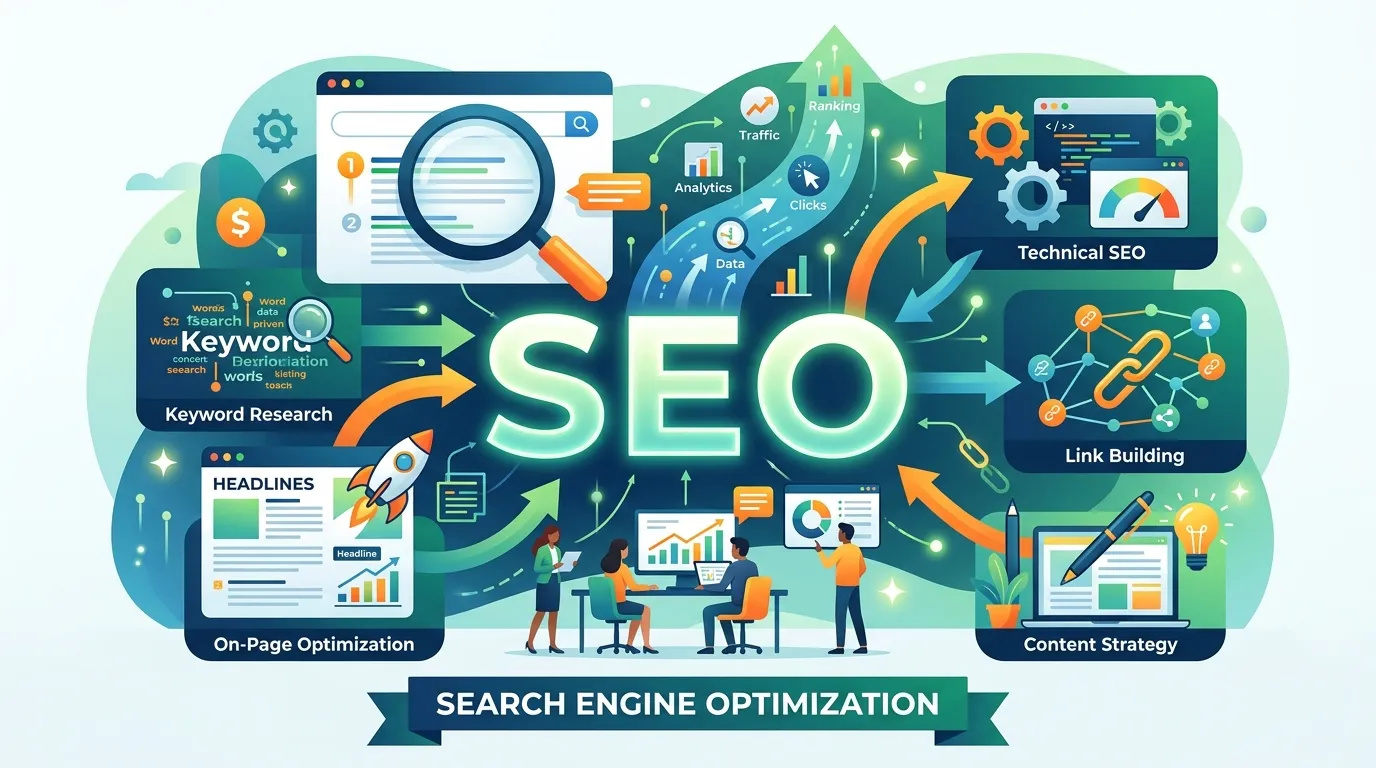
In the digital world, search engines and online communication are filled with short forms, abbreviations, and technical terms. One important term people often search for is acronym SEO. This phrase connects two important concepts: acronyms and Search Engine Optimization (SEO).
Understanding acronym SEO helps writers, bloggers, businesses, and marketers create content that ranks better in search engines while making information easier for readers to understand.
Acronyms are shortened forms created from the first letters of words, such as SEO (Search Engine Optimization), AI (Artificial Intelligence), and FAQ (Frequently Asked Questions). Since many users search for acronym meanings online, creating SEO-friendly acronym content can attract visitors and provide helpful information.
What Does SEO Stand For?
SEO = Search Engine Optimization
SEO is the process of improving online content so that it appears higher in search engine results.
SEO helps websites:
- Gain visibility
- Attract visitors
- Improve rankings
- Reach the right audience
What Does Acronym SEO Mean?
Acronym SEO refers to optimizing content about acronyms so search engines can understand and rank it.
This includes:
- Explaining acronym meanings
- Adding full forms
- Using related keywords
- Providing examples
- Creating helpful content
Why Are Acronyms Important for SEO?
Many people search for:
- “What does this acronym mean?”
- “Full form of XYZ”
- “XYZ acronym meaning”
Creating useful acronym content helps answer these questions.
Examples:
- SEO meaning
- AI acronym
- HR full form
- FAQ meaning
How to Create SEO-Friendly Acronym Content
1. Use the Acronym in the Title
A clear title helps search engines understand the topic.
Example:
“SEO Acronym: Meaning, Full Form, and Complete Guide”
2. Explain the Full Form Early
Readers want quick answers.
Example:
SEO stands for Search Engine Optimization.
3. Add Related Keywords
Use natural keywords like:
- acronym meaning
- full form
- definition
- examples
- usage
Avoid repeating keywords too much.
4. Use Clear Headings
Good structure improves readability.
Examples:
- What Does SEO Stand For?
- Why Is SEO Important?
- Common SEO Terms
Popular SEO Acronyms
| Acronym | Full Form | Meaning |
|---|---|---|
| SEO | Search Engine Optimization | Improving search rankings |
| SERP | Search Engine Results Page | Search result page |
| CTR | Click Through Rate | Percentage of clicks |
| URL | Uniform Resource Locator | Website address |
| HTML | HyperText Markup Language | Web page language |
| FAQ | Frequently Asked Questions | Common questions |
SEO Acronyms in Digital Marketing
Digital marketers use many acronyms daily.
Common examples:
SEO
Improving website visibility.
PPC
Pay Per Click advertising.
CTA
Call To Action.
ROI
Return On Investment.
These terms make professional communication faster.
Common Mistakes in Acronym SEO
1. Keyword Stuffing
Adding the same acronym repeatedly can make content difficult to read.
2. Not Explaining the Acronym
Always provide the full meaning.
3. Writing Only for Search Engines
Good SEO content should help real readers first.
Acronym SEO Best Practices
✔ Write simple explanations
✔ Add examples
✔ Use tables
✔ Answer common questions
✔ Keep content organized
✔ Use natural language
FAQ About Acronym SEO
What is an acronym?
An acronym is a shortened form made from the first letters of words.
What does SEO stand for?
SEO means Search Engine Optimization.
Why are acronym pages useful?
They answer common searches and help users understand terms.
Are acronym articles good for SEO?
Yes, if they provide clear, useful, and original information.
Conclusion
Acronym SEO combines the power of explaining short forms with effective search optimization. Since people constantly search for meanings of abbreviations, creating clear and helpful acronym content can improve website visibility and user experience.
A successful acronym SEO strategy focuses on providing accurate definitions, simple explanations, examples, and well-organized information. By understanding both acronyms and SEO principles, writers can create content that is valuable for readers and easy for search engines to understand.


